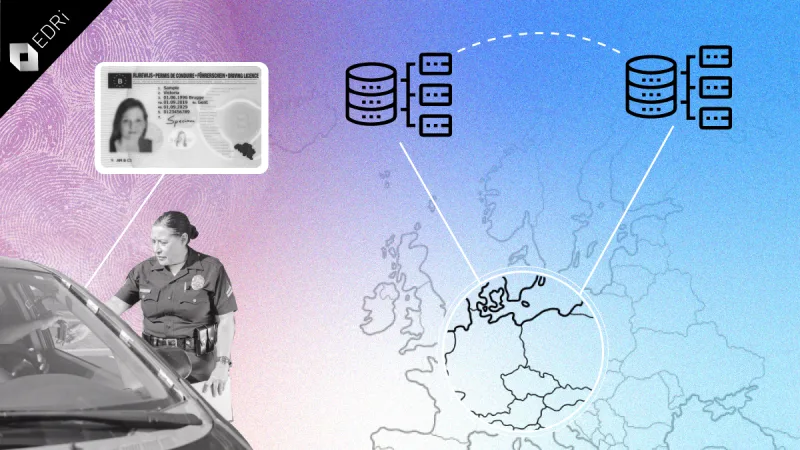
A new EU proposal to automate police data sharing across borders risks treating millions as suspects while failing to address systemic flaws in national criminal databases, according to digital rights advocates.
The Trump administration removed two Democratic commissioners from the Federal Trade Commission, fired federal tech teams, and solicited thousands of comments on a forthcoming AI Action Plan, leaving the regulatory landscape in flux.
A major policy outlet is seeking submissions exploring how extreme wealth concentration among tech leaders threatens democratic institutions and public accountability across sectors from AI to space exploration.
Warsaw's Council Presidency has tabled a revised approach to the stalled CSA Regulation that removes mandatory scanning orders, replacing them with voluntary measures. The shift marks progress on encryption, but significant obstacles persist ahead of potential trilogue negotiations.
As Meta abandons third-party fact-checkers in favour of crowdsourced alternatives, the verification industry faces a reckoning: the old model is broken, and platforms alone cannot fix misinformation at scale.
A coalition of civil society organisations has released a position paper opposing proposed reforms to Europol, arguing the legislation would grant dangerous new surveillance capabilities and endanger vulnerable populations.
Former Twitter Trust and Safety Council members warn that Elon Musk's approach to government efficiency mirrors his destructive takeover of the social platform, prioritizing private interests over public welfare.
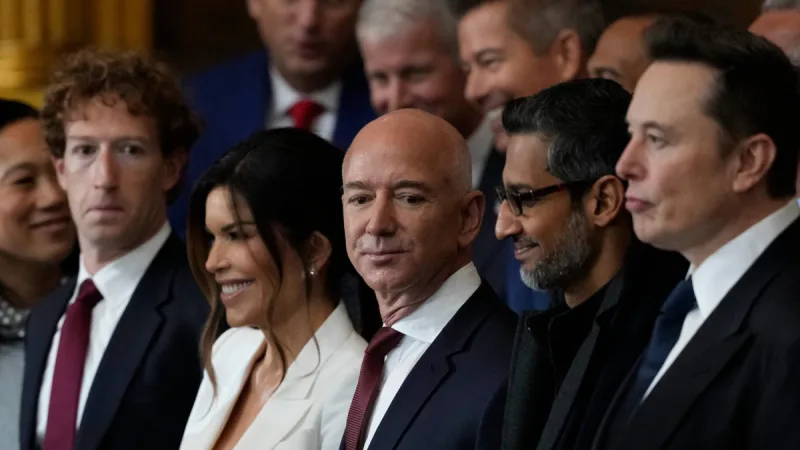
Tech leaders' visible support for Trump's inauguration marks the culmination of a strategic alliance between Big Tech and the far right, one that threatens democratic governance across every policy domain.