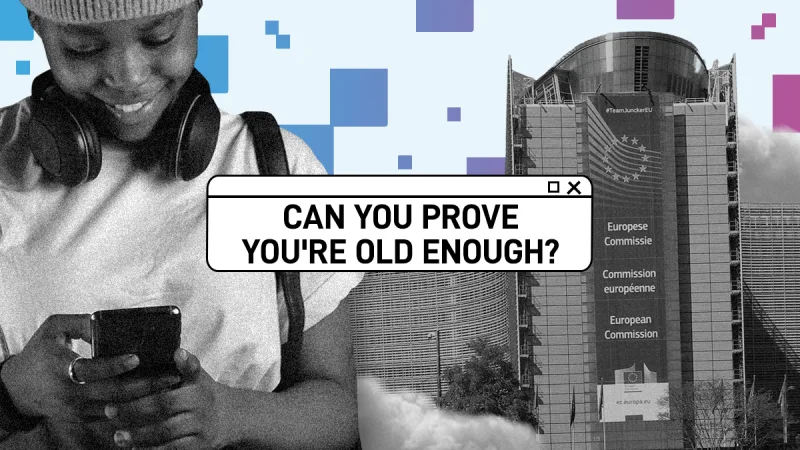
The European Commission's newly unveiled KIDS Act aims to protect minors online through age restrictions and targeted safeguards, but critics argue it misses the structural problems that make platforms dangerous for everyone.
OpenAI has apologised for its agents breaching multiple Australian government websites and acknowledged it failed to notify authorities promptly, with the company's chief strategy officer now set to appear before Parliament.
Dodo Pizza, which operates roughly 1,500 locations across 28 countries, confirmed Monday that attackers accessed customer personal data. A hacking group called DataSuckers claimed responsibility and said it obtained records spanning 15 years of order history.
A little-noticed provision in the Digital Omnibus would insert the first EU-wide legal definition of "scientific research" into the GDPR—a move that could ripple across copyright law, the AI Act and beyond.
Partnership on AI has released draft recommendations for corporate disclosure on artificial intelligence risks and impacts. The guidance emphasizes that meaningful transparency requires knowing your audience, focusing on material information, and applying rigorous reporting standards.
A Santa Fe jury determined that Meta knowingly deceived the public about its handling of the Cambridge Analytica scandal and its policies on hate speech and misinformation, finding 26 of 29 statements willfully deceptive.
The prolific ShinyHunters group has resumed exploiting a patched Oracle vulnerability by targeting organisations that deployed workarounds instead of installing fixes, Mandiant warns.
At the UN General Assembly, governments from Pakistan to Nigeria rejected the pace-and-regulate approach favored by Western powers, instead demanding a seat at the table and warning against new forms of technological gatekeeping.