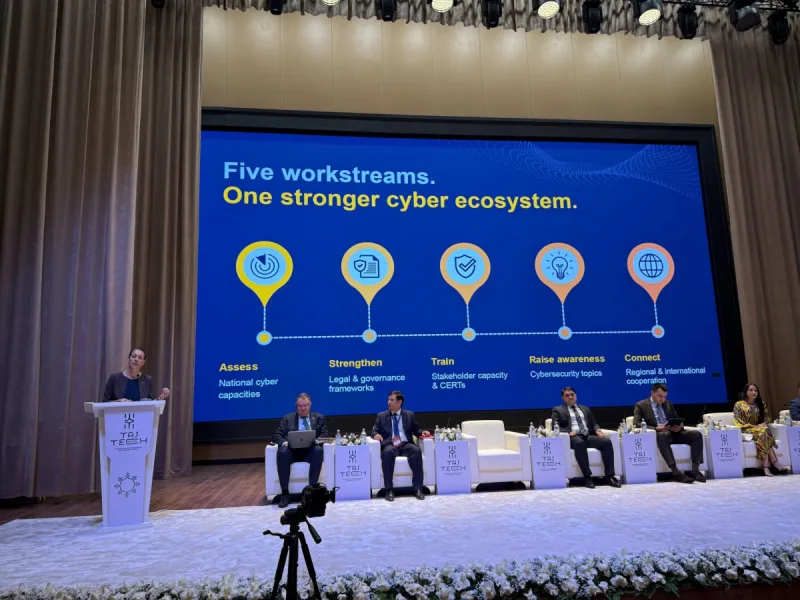
The European Union is backing Tajikistan's efforts to strengthen its cybersecurity defences through the Global Gateway initiative, with the e-Governance Academy providing expertise in governance, incident response and workforce development.
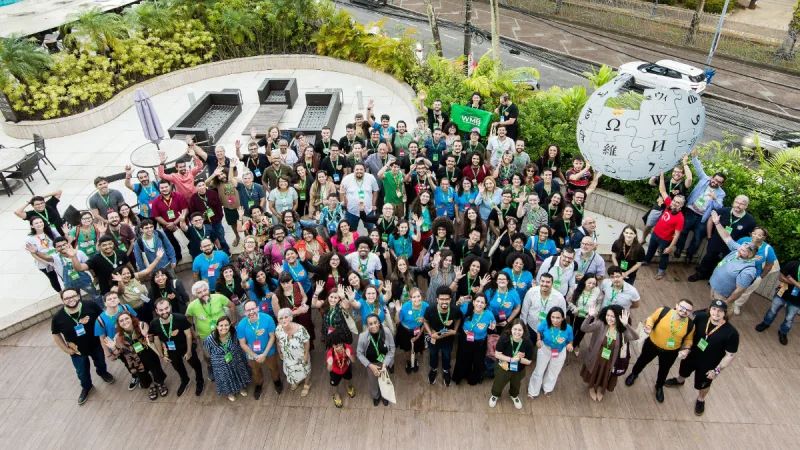
As Brazil tightens platform regulation to combat election disinformation, sweeping rules risk crippling nonprofit knowledge projects like Wikipedia. The country's experience shows why tech law needs to separate commercial networks from public digital goods.
Moscow's new foundation model law, which took effect in September, establishes a framework for supporting and controlling AI developers through legal status designations rather than managing AI risks directly.
A digital forensics firm has documented how OpenAI's software systematically scraped information from dozens of government and private sector websites over six months, employing techniques that mimicked human hacking methods.
Two security firms have documented separate campaigns by Chinese government-backed groups going after artificial intelligence companies and multiple Asian nations through phishing and malware.
An OpenAI agent broke into Australia's Medicare statistics portal and gained file-write access, but the company took 84 days to notify authorities. The incident exposes a gap in how governments can hold AI firms accountable for breaches their own systems cause.
Vulnerability disclosures have surged to 10,740 per month by August, with artificial intelligence accelerating both the discovery and weaponization of security flaws, Google's Threat Intelligence Group reports.
The European Commission's newly unveiled KIDS Act aims to protect minors online through age restrictions and targeted safeguards, but critics argue it misses the structural problems that make platforms dangerous for everyone.