Automated crawlers deployed by major AI companies are systematically extracting content from across the web while clogging infrastructure and cutting off traffic to original sources. The internet's foundational bargain is breaking down.
Czech police shut down biometric surveillance cameras at Václav Havel Airport in August 2025 after years of legal challenges, but continue deploying facial recognition tools in violation of EU law.
Governor Gavin Newsom has signed the Transparency in Frontier Artificial Intelligence Act, establishing what may become the nation's most consequential state-level AI safety framework after a year of contentious deliberations.
Leading AI firms should pool resources into a dedicated assessment fund to support third-party evaluations of powerful models, avoiding the conflicts of interest that have plagued corporate oversight in other industries.
A proposed congressional provision would ban state AI regulation just as federal agencies strip away workplace discrimination guidelines, creating a legal vacuum that could enable widespread algorithmic bias in hiring, lending, and insurance.
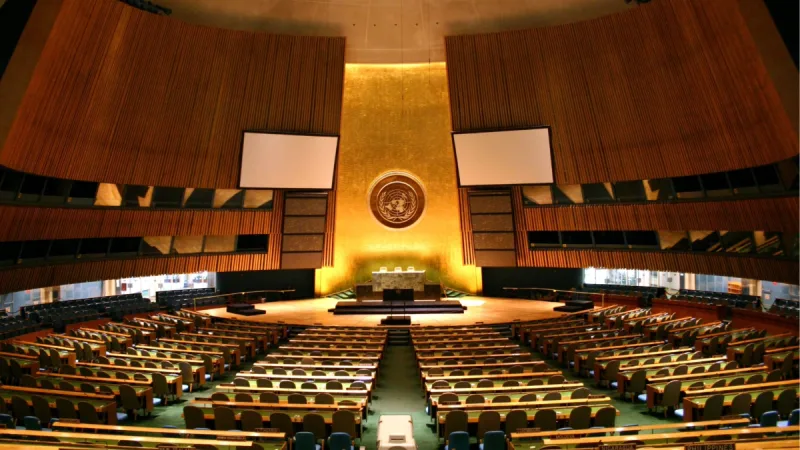
The UN's new framework for artificial intelligence oversight promises inclusivity but lacks concrete mechanisms to ensure marginalized voices shape the outcome. Without structural changes, the initiative risks hardwiring inequality into tomorrow's AI systems.
The Trump administration removed two Democratic commissioners from the Federal Trade Commission, fired federal tech teams, and solicited thousands of comments on a forthcoming AI Action Plan, leaving the regulatory landscape in flux.
eMudhra, one of India's few root certificate authorities recognized by major browsers, is abandoning its SSL/TLS certificate operations following a security failure that exposed eight intermediate certificates with dangerously weak cryptographic keys.
A New Mexico court has ordered Meta to pay $25 billion for privacy violations stemming from the Cambridge Analytica scandal, after a jury found the company broke state law 43 million times.
On 21 October, public websites in the Netherlands, Finland and elsewhere shut down temporarily after two severe vulnerabilities in PHP triggered urgent patching efforts across government agencies.