New labelling and disclosure requirements for AI-generated content took effect in August, but experts warn that transparency alone cannot shield European democracies from deepfakes, foreign interference, and political manipulation.
As artificial intelligence increasingly screens job applicants and monitors worker performance, legal protections against employment discrimination face unprecedented pressure from the Trump administration.
Berlin's cabinet approved a draft law in July that would authorize artificial intelligence systems in asylum and visa procedures, but civil society groups warn of legal gaps, discrimination risks, and unanswered questions about how the technology would actually function.
A coalition of over 100 companies, including OpenAI, Anthropic, Microsoft and Google, has issued a joint warning that organisations must bolster their defences against AI-enabled cyberattacks before such threats become unstoppable.
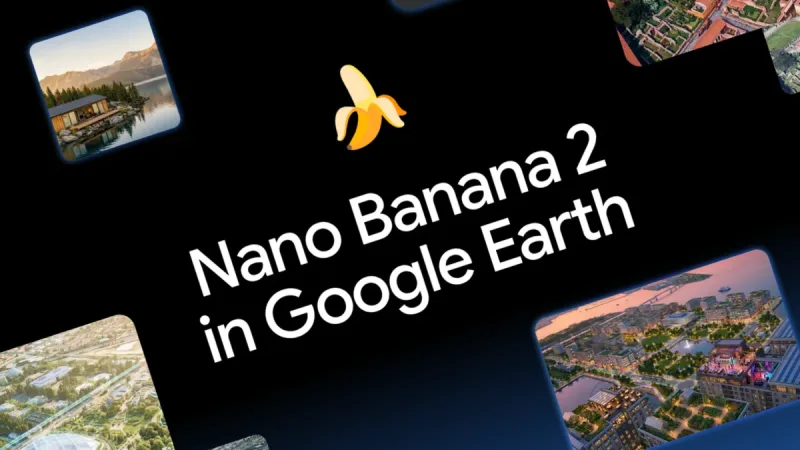
Google's brief integration of generative image tools into Google Earth—and its rapid rollback after backlash—reveals a systemic failure: tech companies are deploying capabilities that reshape global verification infrastructure without consulting the civil society experts who understand the risks.
Starting August 2, the European Commission will enforce new requirements forcing AI systems to disclose their nature to users and label artificially generated or manipulated content.
As the UN convenes its Global Dialogue on Artificial Intelligence Governance this July, governments have a chance to anchor AI rules in freedom of expression—or risk letting authoritarian approaches spread globally.
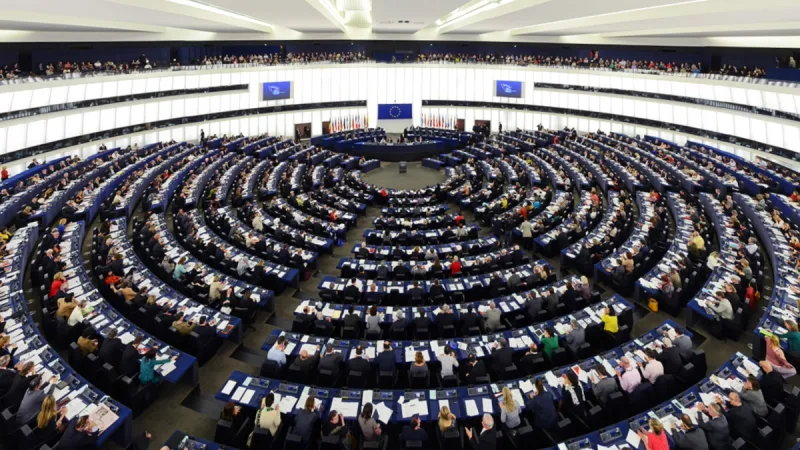
The European Commission must assemble 60 independent experts for its new AI Scientific Panel, but member state quotas threaten to compromise the caliber of talent needed to guide Europe's AI regulation.
eMudhra, one of India's few root certificate authorities recognized by major browsers, is abandoning its SSL/TLS certificate operations following a security failure that exposed eight intermediate certificates with dangerously weak cryptographic keys.
A New Mexico court has ordered Meta to pay $25 billion for privacy violations stemming from the Cambridge Analytica scandal, after a jury found the company broke state law 43 million times.
On 21 October, public websites in the Netherlands, Finland and elsewhere shut down temporarily after two severe vulnerabilities in PHP triggered urgent patching efforts across government agencies.