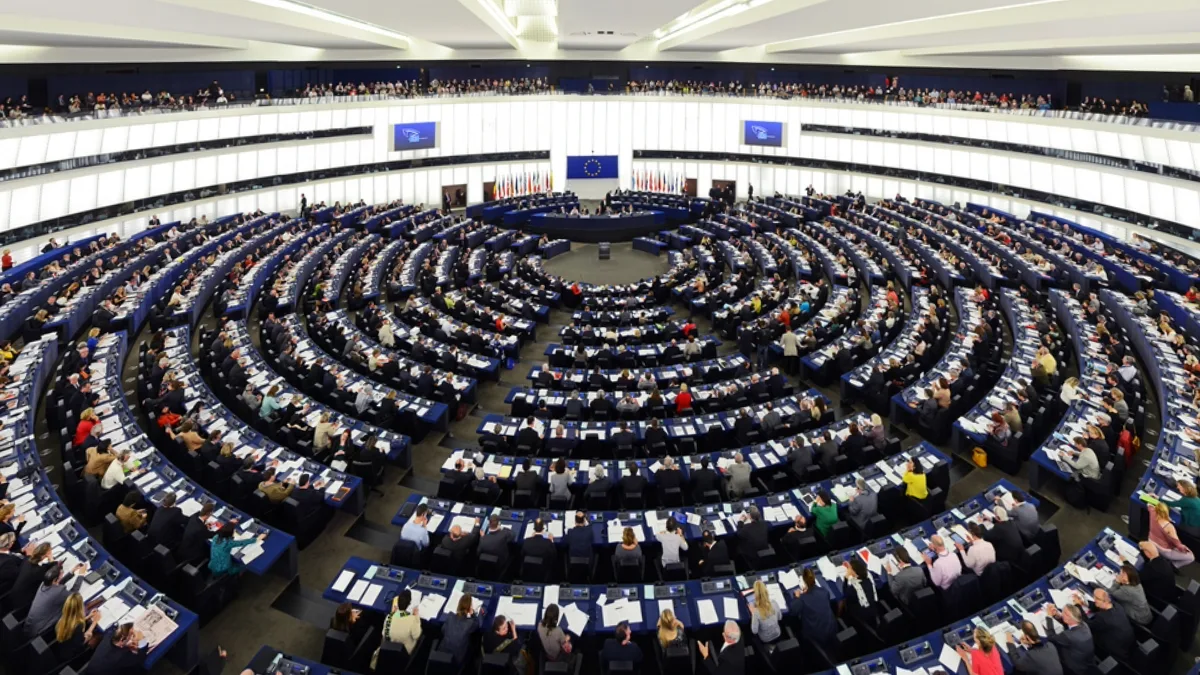
The European Commission recently wrapped up applications for the AI Scientific Panel, one of the continent's most consequential bodies for digital governance. This group of 60 independent experts will work for two-year terms and, from 2026 onward, will support the European AI Office in enforcing the AI Act, the EU's sweeping framework for artificial intelligence oversight.
The panel's remit centers on general-purpose AI (GPAI) systems—including models like ChatGPT, Claude, and Gemini. Panel members will counsel the AI Office and national authorities on systemic dangers, how to classify models, testing approaches, and oversight across borders. They will also track new AI hazards, including those that might surface unexpectedly as advanced systems are built and deployed.
For the Commission to meet its objectives, it must recruit individuals with genuine, practical experience in cutting-edge AI technology. The encouraging news: hundreds applied, furnishing the Commission with a substantial talent pool to draw from.
The challenge lies in constraints imposed by member states. The Scientific Panel's legal foundation—an Implementing Act from March 2025—required member state approval, which they leveraged to demand national quotas. Every member state gets at least one representative, and 80% of the 60 panelists must hail from EU or European Free Trade Association (EFTA) countries—Iceland, Liechtenstein, Norway, and Switzerland. This accounts for 48 of the 60 seats.
But does this approach make practical sense? The advanced AI field remains relatively nascent. For smaller member states—Malta and Cyprus, each with populations below two million—can they realistically field an expert equipped to guide Europe through uncharted AI territory?
The Commission should leverage the built-in flexibility: nominating one expert per country only when candidates meet the selection criteria and when doing so delivers sufficient breadth across needed specializations. Going further, Europe ought to prioritize world-class AI researchers with deep GPAI expertise—those with proven records of tracking frontier progress, anticipating risks, and questioning industry narratives. An effective panel demands independent evaluators with hands-on experience assessing GPAI capabilities and dangers outside major AI firms. Academic and think tank researchers bridging science and policy, equipped with advanced AI risk expertise, fit this bill.
Narrower specialization in advanced AI yields better results. Europe has fielded numerous expert groups in recent years dominated by AI generalists, with mixed outcomes: chosen experts often stayed close to government circles but distant from actual technological breakthroughs. The new Scientific Panel must break this pattern and assemble genuine AI talent.
The Commission must weigh conflicts of interest carefully. Yet the brightest minds in AI frequently have industry connections—research partnerships, red teaming work, policy consulting. This poses no inherent problem provided the panel includes sufficient experts without such ties and operates with collective impartiality.
Europe also requires younger members capable of executing the work. When the call launched four months prior, the need for panelists in their 20s and 30s actively engaged in frontier AI development was already evident. A panel of retired figures detached from current model development would be counterproductive. The GPAI Code of Practice demonstrated that Vice-Chairs bringing practical knowledge and dedicating substantial effort drove much of its uptake.
Establishing fresh digital governance structures presents a chance to involve Europe's finest national specialists in the European endeavor. The Commission should not passively accept member state suggestions but actively hunt for the strongest candidates available.
The selection process must center on a single criterion: what serves Europe best. This means recruiting genuine subject-matter expertise from within Europe and beyond, amplifying younger perspectives, and respecting member state input only when warranted.
Source: Tech Policy Press