A team from the University of Amsterdam has leveraged Europe's most powerful supercomputer to create NeoBabel, a text-to-image model that works across six languages and is now available as open source.
A joint managed service from the payments firm and German identity provider aims to simplify how banks connect to Europe's fragmented digital wallet landscape ahead of mandatory adoption deadlines.
Officials from Bangladesh explored Estonia's approach to unified identity management and data interoperability during an August 2026 study visit, seeking to modernise their own public administration systems.
On 10 June, the Luxembourg AI Factory released the AI Assessment Sandbox Configurator, an open source platform designed to streamline the evaluation of AI models for trustworthiness and regulatory compliance across Europe.
Italy has adopted a national framework for testing its IT Wallet, establishing governance structures and technical standards ahead of alignment with the European Digital Identity framework.
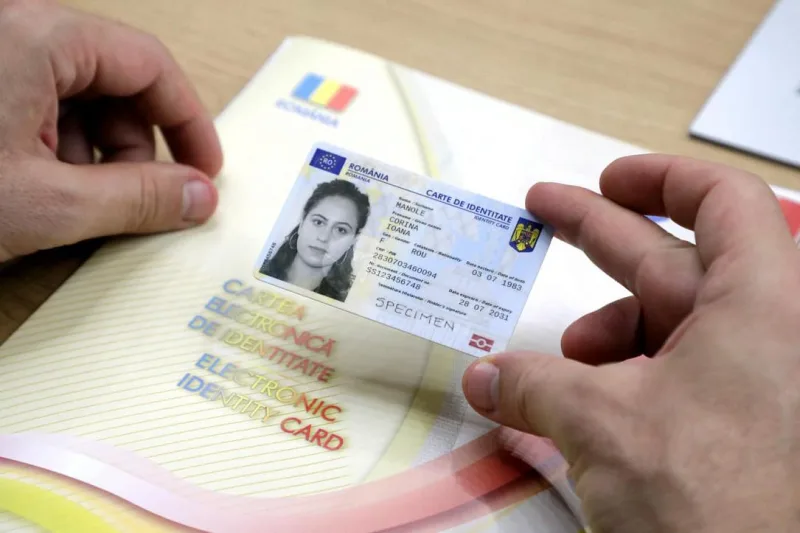
Romania has made its new chip-based digital identity (CEI) available across the country, marking the next phase of a transition away from traditional paper documents toward secure, digitally-enabled credentials aligned with EU standards.
The WE BUILD Consortium and FIDO Alliance are positioning the EUDI Wallet and verifiable credentials as the foundation for secure transactions between AI agents, with Europe's regulatory approach serving as a global model.
Berlin is pushing ahead with its January 2027 digital identity wallet despite widespread concerns about technical readiness, security gaps and public awareness. Most EU member states are not on track to meet the same deadline.