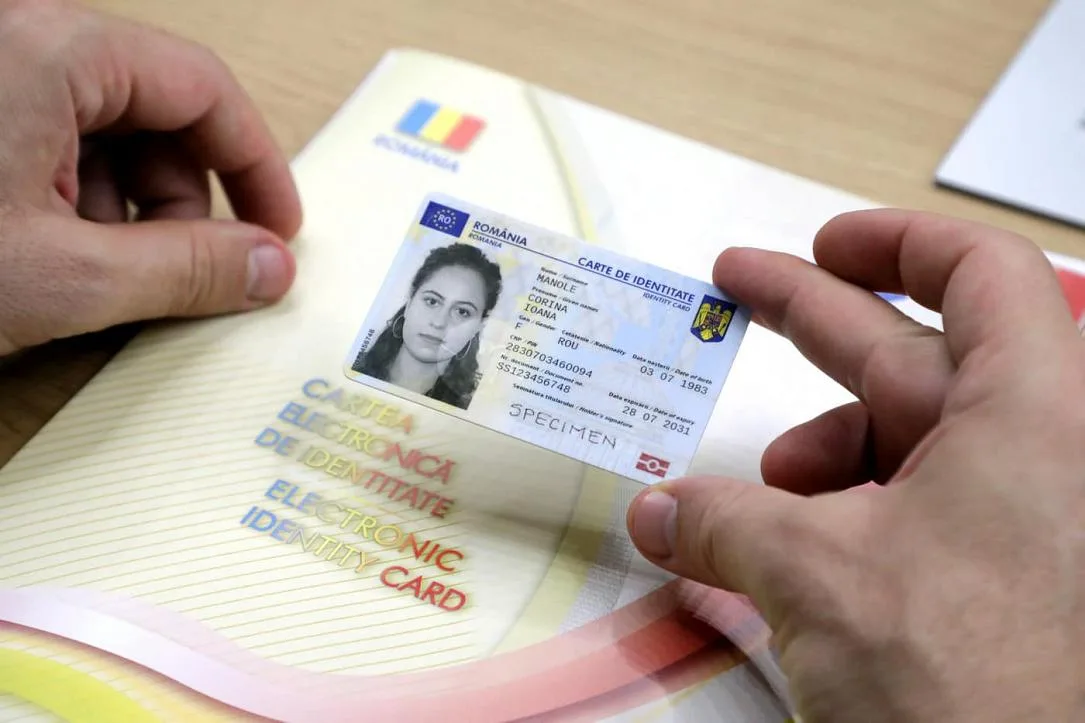
Following more than twelve months of initial deployment in Cluj County, Romania has now expanded access to its biometric digital identity card nationwide. The government's move signals its commitment to gradually retire legacy identity documents in favour of the new chip-enabled CEI, which takes the form and dimensions of a standard bank card.
The CEI is distributed at no cost to citizens, though existing identification documents will continue to function until their scheduled expiration. Policymakers anticipate that millions of Romanians will hold the new credential within the coming years, stressing its role in unlocking access to services across both public administration and the private sector.
Romania's transition exemplifies a broader European movement toward abandoning conventional paper or laminated identity documents in favour of encrypted, chip-based alternatives usable in both physical and digital contexts. This evolution extends beyond mere document modernisation, establishing the foundation for a more unified and responsive digital governance infrastructure available to residents for accessing diverse services.
The expansion aligns with Romania's commitment to the EU's eIDAS regulation, which facilitates movement across borders and enables access to digital government services throughout the bloc. In June, the country announced it would adopt the German framework for deploying its EUDI wallet.
Citizens will receive the new eID as their current credentials expire or upon direct request. The government has highlighted that the card will streamline administrative processes, strengthen protections against identity fraud, and permit residents to employ their national ID for digital engagement with Romanian and other EU public bodies.
Last month, the General Directorate for People's Records (DGEP) within the Ministry of Internal Affairs announced that legislative changes have been enacted to enable Romanians residing outside the country to request the new digital ID. Although the service remains incomplete, the directorate noted that it has cleared technical validation phases, with trial implementations running since April.