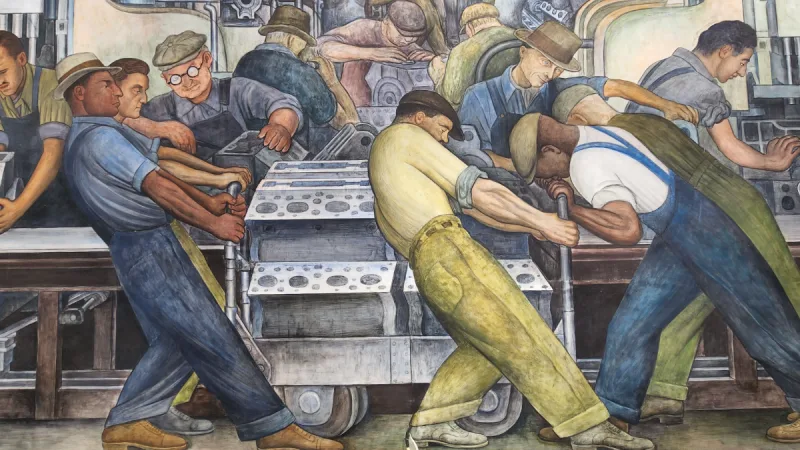
As artificial intelligence increasingly screens job applicants and monitors worker performance, legal protections against employment discrimination face unprecedented pressure from the Trump administration.
When 72,000 people crossed from Morocco to Ceuta in late July, misleading social media content played a central role—but the real problem runs deeper than deception alone.
A landmark settlement between Meta and 52 state attorneys general over child safety claims dominated August's tech policy agenda, while federal agencies pursued aggressive data-access strategies and Congress advanced multiple AI governance bills.
A dozen American states have enacted laws governing AI chatbots designed for ongoing personal interaction, with particular focus on protecting minors. The rules are already live in three states and will take effect across nine others in 2027.
Berlin's cabinet approved a draft law in July that would authorize artificial intelligence systems in asylum and visa procedures, but civil society groups warn of legal gaps, discrimination risks, and unanswered questions about how the technology would actually function.
As the 2026-27 school year begins, American districts are taking cautious, inconsistent approaches to generative AI in classrooms, with some embracing literacy-focused guidelines while others face mounting pressure for outright bans.
A landmark agreement between Meta and US state attorneys general over Instagram and Facebook practices targeting minors has sparked widespread debate about whether the company's commitments will translate into meaningful change—and what the deal means for regulators worldwide.
A coalition of over 100 companies, including OpenAI, Anthropic, Microsoft and Google, has issued a joint warning that organisations must bolster their defences against AI-enabled cyberattacks before such threats become unstoppable.