The European Commission has introduced the EU KIDS Act, imposing strict age minimums for social platforms and shifting compliance responsibility to platforms themselves. The proposal would reshape how young people access digital services across the bloc.
King Charles hosts executives from major AI firms to discuss responsible development as Anthropic's CEO publicly urges the industry to slow capability advancement and security experts warn of risks in already-deployed systems.
Research from the University of Toronto's Citizen Lab reveals that the Israeli firm BlackCore conducted a 14-week programme teaching Angolan government staff how to operate fake social media accounts and generate coordinated content to boost the government's public image.
Tech leaders invoke existential doom to dodge accountability while opposing regulation, but concrete safety measures and government oversight are both feasible and compatible with competition.
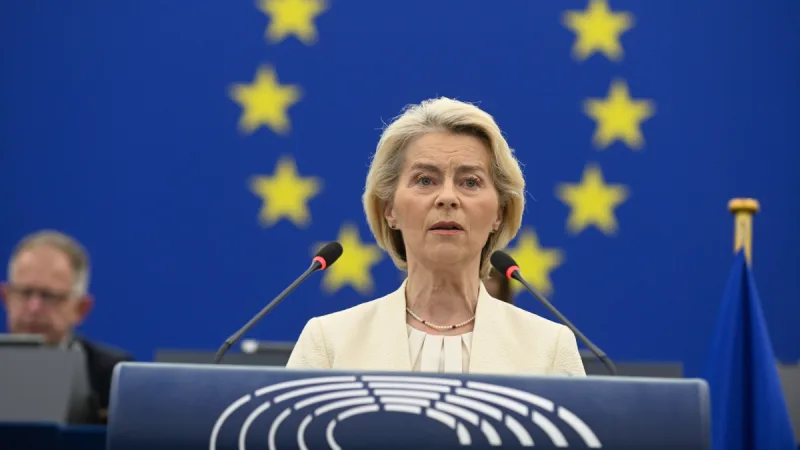
The European Commission President outlined a vision for competing in artificial intelligence without necessarily building the world's most advanced models, marking a significant departure from previous rhetoric about European AI independence.
A new analysis argues that Europe's strategy of subsidies and deregulation will only deepen dependence on US firms. Instead, policymakers should reshape markets, monitor uncertainty, and decide what AI is actually for.
The British fintech fell victim to a sophisticated impersonation scheme in which attackers used a compromised government domain to submit fake emergency data requests, potentially targeting wealthy individuals with crypto ties.
Researchers at Microsoft have identified a massive campaign of over a million fraudulent emails that leverages artificial intelligence to craft convincing business email compromise attacks.