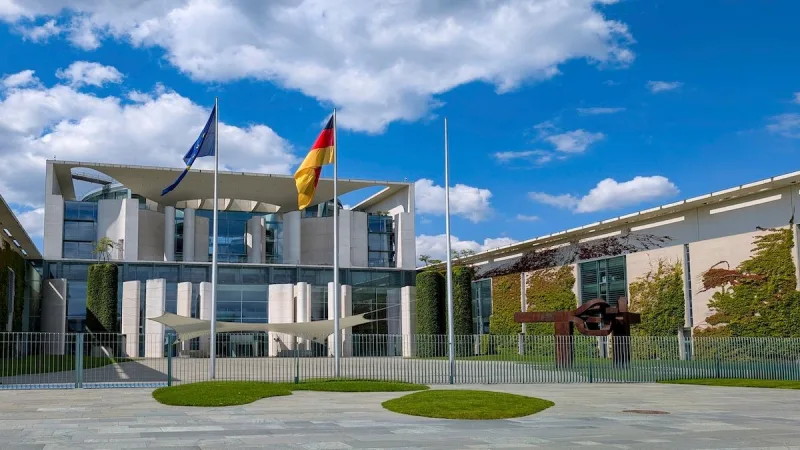
A cyberattack on Berlin's administration between 7 and 12 August exposed personal data of public employees and potentially residents, with the Rhysida ransomware group claiming responsibility for stealing 5.79 terabytes of material.
A cluster of startups spanning biotech, property management and compliance infrastructure have secured millions in backing, with one Israeli-Dutch AI firm opening a regional hub in Zagreb.
Germany's largest telecoms operator is reshaping its senior management across finance, technology and product divisions, with a new CFO taking the helm in May 2027 and fresh appointments in operational roles.
Germany has established DE-AISI to evaluate advanced AI models and work toward international standards, but must still resolve fundamental questions about its scope, governance, and ability to drive real-world change.
The United States has blacklisted Autistici/Inventati, a volunteer-run Italian collective providing secure communications infrastructure, as a terrorist entity—a move that threatens independent digital infrastructure across Europe and chills fundamental freedoms.
The SHARE Foundation has documented at least 14 cases of advanced spyware deployment against opposition figures in Serbia since early 2026, marking the country's most significant surveillance operation on record.
France's Constitutional Council has struck down a law prohibiting children under 15 from accessing social media, ruling that the blanket ban violates fundamental rights. The decision raises critical questions for EU-wide child protection policies set to emerge by December 2026.
Tallinn's annual summer school brought together diplomats and officials in June 2026 to discuss cybersecurity's role in international relations and strengthen cross-border cooperation on digital governance.