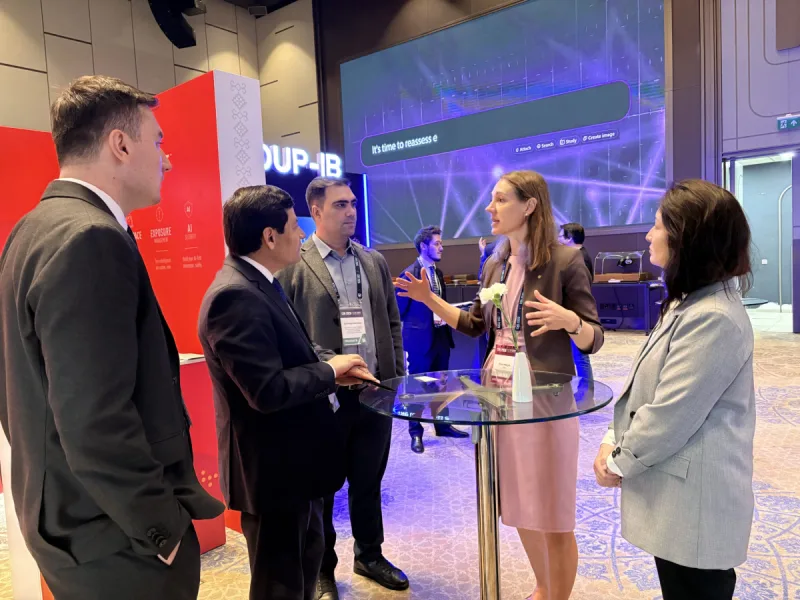
The e-Governance Academy has trained hundreds of specialists and assessed cyber defences across four Central Asian nations as part of an EU-funded initiative to strengthen digital resilience in the region.
As Europe's digital identity wallet moves toward deployment, the business case hinges on replacing costly verification processes rather than creating new payment streams. Dock Labs analysis identifies which participants can realistically charge for what.
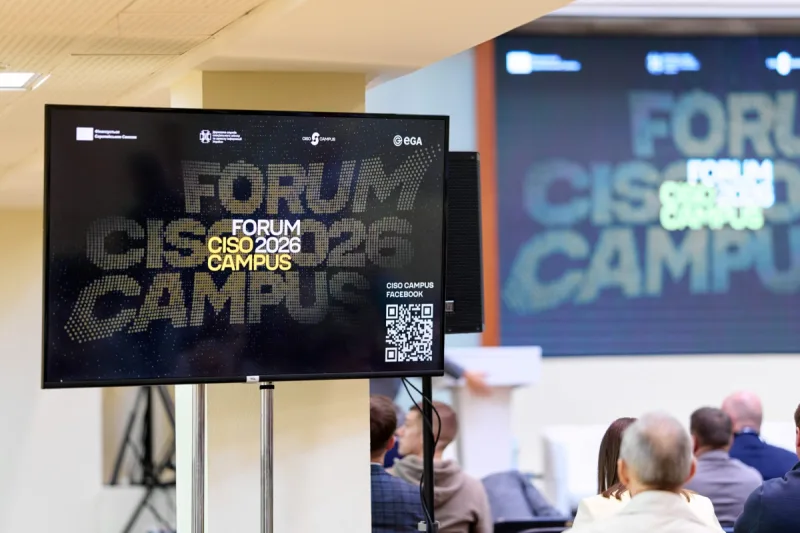
Ukraine held its first Chief Information Security Officer Forum in Kyiv on 2 October, bringing together public and private sector cybersecurity leaders to advance the newly legislated CISO role and establish professional standards aligned with European practices.
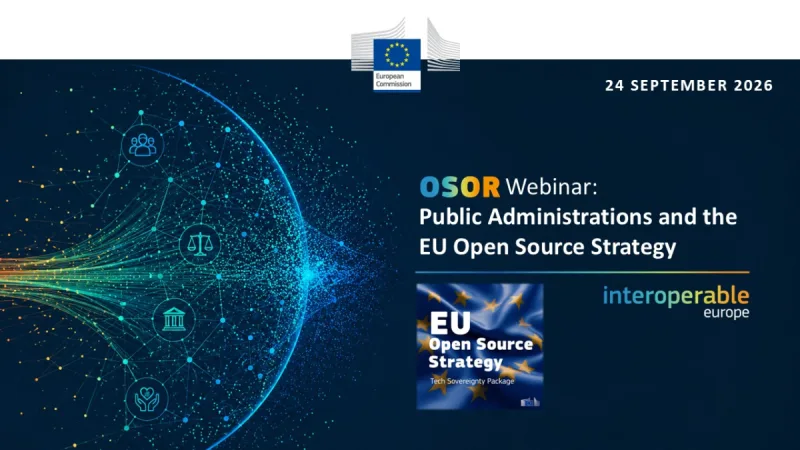
The European Commission outlined its strategy for deploying open source technologies in government administration at a September webinar, addressing challenges from vendor lock-in to procurement reform.
The telecom operator has won a contract to construct TESTA-EIRIS, a private communications backbone connecting public administrations across all EU member states.
The European Digital Identity Wallet represents far more than a regulatory checkbox—it is foundational infrastructure that can reshape how Europeans prove their identity online, but only if governments and businesses work together to make it genuinely useful.
The EU has identified its digital dependencies but focuses mainly on what to regulate rather than what to build. Experts argue that adopting a Digital Public Infrastructure approach could give Europe genuine control over its foundational digital systems.
The Italian city won recognition for combining citizen science and open standards to track heat and air quality, feeding real-time data into decisions that make cities more resilient to climate risks.
The propulsion systems manufacturer is using Europe's flagship supercomputer to cut simulation times and scale up computational capacity for demanding maritime engineering projects.
The new system, ranked 31st globally, will serve as the computational engine for Greece's AI Factory and support research across healthcare, climate science and other domains across the continent.
The EuroHPC Joint Undertaking has elected Sinéad Ryan of Trinity College Dublin as Chair of its User Forum Coordination Group, with Maria Girone from CERN openlab continuing as Vice-Chair in a new co-leadership arrangement.