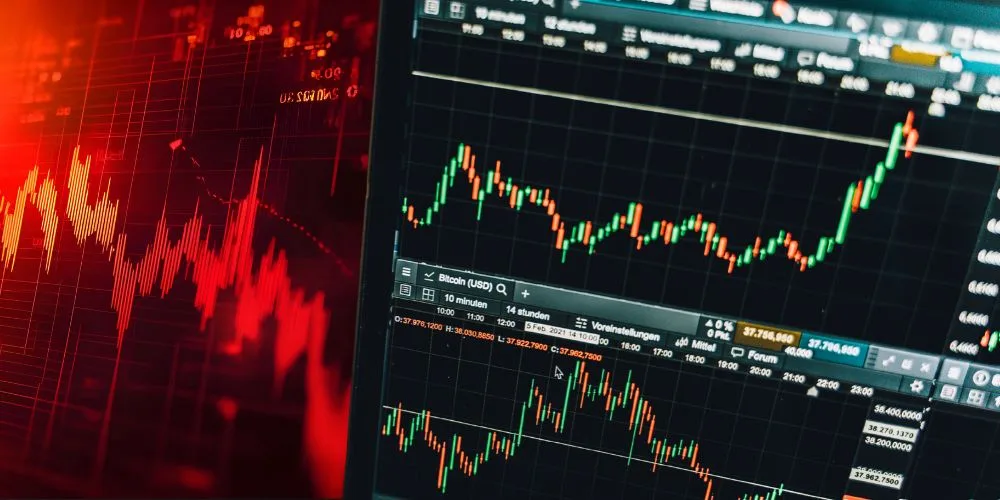
Equity markets punished AI infrastructure companies on 14 October as investors grew anxious about the implications of rising US interest rates for the sector's debt-heavy business model. Neocloud specialists Nebius and CoreWeave experienced particularly steep drops, shedding 15.1% and 9.5% of their value respectively, according to Reuters reporting. These firms supply GPU computing resources to AI developers and other clients, typically financing their hardware acquisitions and infrastructure buildouts through substantial borrowing.
The broader infrastructure sector felt the pressure. Data centre operators Applied Digital and IREN fell 8.8% and 9.9% respectively, while Oracle declined 7.2%. Manufacturers serving the sector also suffered, with Dell Technologies and Hewlett Packard Enterprise dropping 10.3% and 6.4% after Barclays downgraded both from overweight to equal-weight ratings.
Higher Borrowing Costs Put AI Expansion Under Pressure
The selloff was triggered by stronger-than-expected US inflation readings, which heightened market expectations that the Federal Reserve might pursue additional rate increases. When borrowing becomes more expensive, companies relying on debt to finance data centre construction and GPU procurement face mounting pressure on their financial models.
Credit market signals flashed warning signs. Insurance costs for corporate debt climbed notably for several AI infrastructure players, including Oracle and CoreWeave, as tracked by S&P Global Market Intelligence data cited by Reuters. The market reaction underscores investor uncertainty about whether these infrastructure providers can generate adequate returns to justify their capital-intensive investment programmes.
CoreWeave Faces Further Scrutiny Over Debt
CoreWeave became the focal point of investor apprehension, with its equity and bond prices continuing to slide on 15 October. Reuters reported that the company carries roughly £37.7 billion ($50 billion) in debt, with yields on certain bond issuances climbing above 16%. Such elevated yields signal that investors demand substantially higher compensation for holding the company's obligations.
In response, CoreWeave CEO Mike Intrator sought to reassure stakeholders through internal communications reported by Reuters, contending that "its contracted deal backlog was sufficient to cover its debt obligations." Despite this defence, doubts have lingered regarding whether the volume of borrowing required to sustain AI infrastructure growth remains sustainable.
Anthropic IPO Plans Highlight Wider Investment Stakes
The market turbulence arrives as AI developer Anthropic moves toward a potential public listing. The company disclosed in June that it had confidentially filed a draft registration statement for an initial public offering with the US Securities and Exchange Commission. Reuters subsequently reported that preparations for a possible listing are underway for later in 2026, though the timeline could shift.
Anthropic's path to the public markets will serve as another barometer of investor appetite for AI-focused enterprises, particularly as capital markets scrutinise the financial demands inherent in building and running cutting-edge AI systems.
The recent equity decline does not necessarily signal weakening demand for AI computing resources. Rather, it exposes underlying anxieties about the financing mechanisms underpinning infrastructure expansion and whether the sector's future revenue streams can sustain the enormous capital commitments being made today.