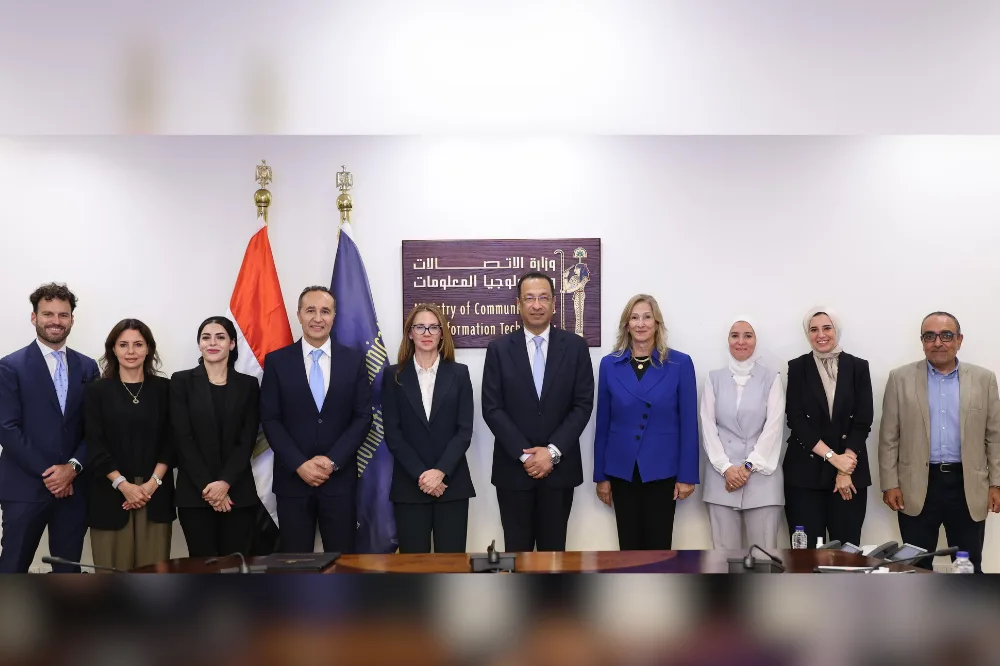
A partnership between Intel and Egypt's Ministry of Communications and Information Technology aims to broaden awareness and competency in artificial intelligence across the nation's population. Under the accord, Intel intends to reach one million people annually over a three-year span, focusing on foundational AI knowledge, ethical deployment practices and confidence in digital systems.
The initiative supports Egypt's National AI Strategy, which targets expanded economic and social gains from AI technologies while strengthening the country's digital infrastructure through 2030.
Minister of Communications and Information Technology Raafat Hindi stated: "Artificial intelligence (AI) has become a key driver of economic competitiveness, development efforts and improved public services. The second edition of Egypt's National AI Strategy (2025-2030) aims to maximise the benefits of AI technologies and enhance their economic and social impact." Hindi emphasized that working with major global AI firms would translate strategic objectives into concrete programmes that cultivate domestic expertise and expand citizen access to AI tools.
The ministry also prioritizes fostering responsible AI adoption and equipping people with competencies suited to contemporary digital environments.
Gisselle Ruiz Lanza, Intel's General Manager for Europe, the Middle East and Africa, remarked: "The cooperation reflects a shared ambition to make AI accessible, practical and useful to everyone through the launch of the AI for Citizens initiative, one of Intel's digital programs."
Hoda Baraka, the Minister's Adviser for Technological Skills Development, underscored that the collaboration will enable individuals across diverse communities to recognize practical applications of AI in their professional and personal contexts. She also noted plans to develop instructor capacity, allowing knowledge to cascade to broader audiences.
Taha Khalifa, Intel's General Manager for the Middle East and Africa, concurred that the arrangement would equip young people, educators, enterprises and public bodies with the technical proficiency and self-assurance needed to harness AI for addressing tangible societal and business challenges.