Poland's cabinet has passed a draft statute governing the European Digital Identity Wallet (EUDI Wallet) to bring domestic law into compliance with eIDAS 2.0. According to a government announcement, Krzysztof Gawkowski, Poland's deputy prime minister and minister of digital affairs, characterized the EUDI Wallet as something that will "significantly simplify matters for Poles who conduct business abroad."
We want digital identity to give citizens greater freedom, not impose additional obligations. Therefore, using the wallet will be voluntary, and each user will decide what data they share and with whom.
Krzysztof Gawkowski, Poland's deputy prime minister and minister of digital affairs
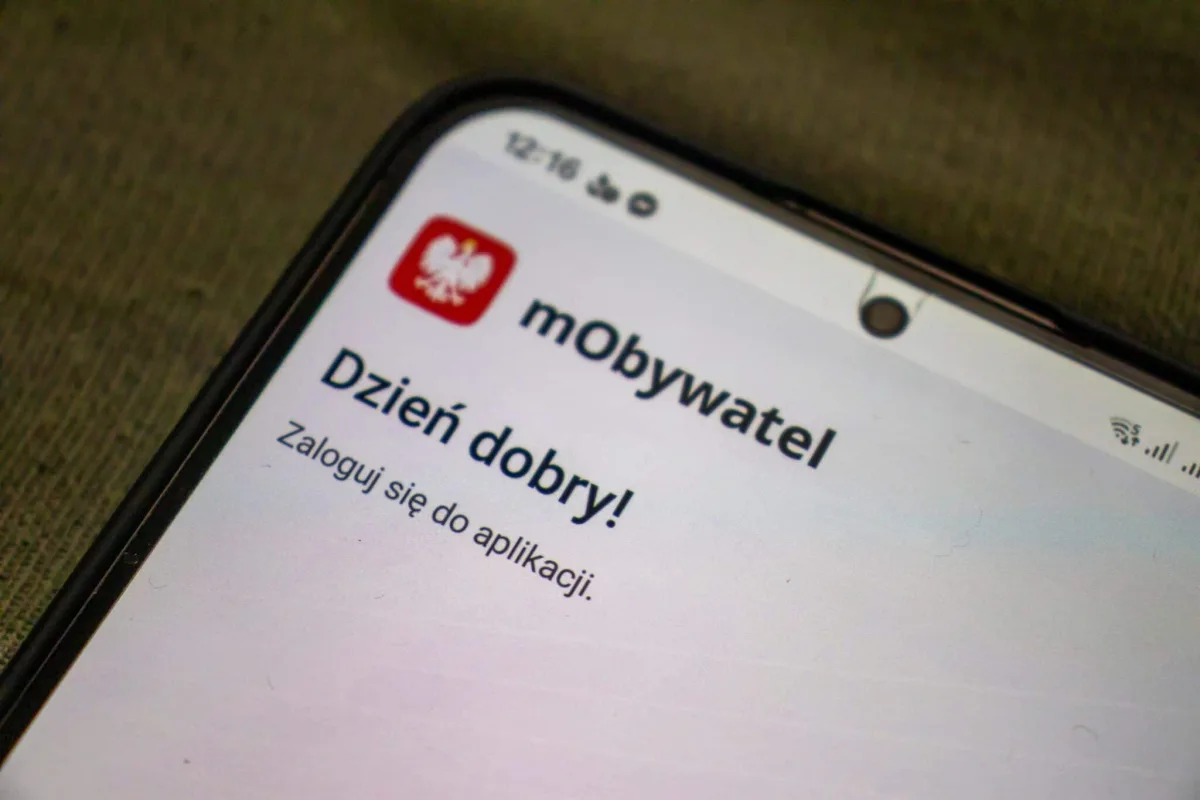
The Polish EUDI Wallet will debut as a standalone application accessible via mObywatel, the national digital identity platform that currently serves 13.5 million users. The government intends to merge both systems into one unified application at a later stage. The wallet's capabilities will encompass identity and age verification, storage and presentation of digital documents such as educational credentials and occupational licenses, access to services across the EU, and the ability to affix qualified electronic signatures to documents.
Poland has established a testing environment for the EUDI Wallet featuring a prototype version called mObywatel Europa. The initiative has drawn involvement from 80 organizations and enterprises operating within Poland and throughout the European Union.
The government emphasizes selective disclosure—the capacity for users to control what information they reveal—as a foundational element of the digital identity wallet framework. Officials have also outlined plans for a directory of approved relying parties permitted to access specific wallet information, designed to enhance accountability and prevent improper data access.
The December 24, 2026 deadline for all EU member states to deploy digital identity wallets is drawing near. Observers in the sector have flagged concerns regarding inconsistent rollout across member states, along with outstanding work needed to establish public confidence and drive adoption. Notably, the formal certification requirements remain unfulfilled, and the European Commission's eIDAS Dashboard currently lists no national wallet as certified.