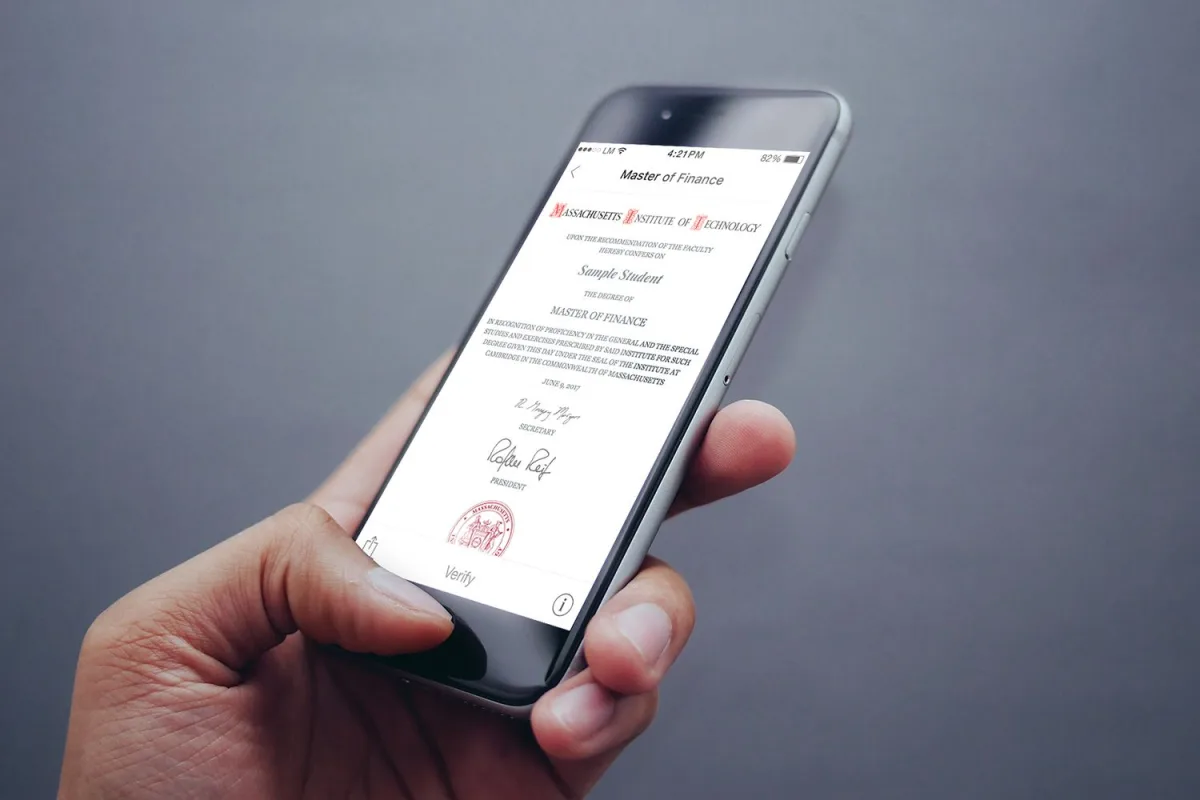
Freedom of movement between EU countries remains a cornerstone of European integration, yet practical obstacles persist for those seeking work abroad. The Skills Portability Act, now under parliamentary scrutiny, represents an attempt to dismantle one significant hurdle: the difficulty of proving qualifications across borders. Unveiled in September as part of the Commission's Fair Labour Mobility Package, the proposal would establish a digital credential system enabling workers to store, verify and present their qualifications through the European Digital Identity (EUDI) Wallet.
The framework centres on Digital Qualification Attestations (DQAs), which would be issued by authorised public bodies or qualified trust service providers. Workers could obtain these credentials at no cost and transmit them directly to employers via their digital wallet. A critical safeguard requires that employers accept DQAs as valid proof of qualification when presented digitally and cannot dispute their authenticity once verified through the approved system. Real-time verification tools would allow both employers and authorities to check the validity and current standing of any credential.
Maintaining credential integrity across the union demands robust lifecycle management. Should a qualification be revoked or lose validity, that status change must propagate throughout the EU within 24 hours, ensuring verification systems always reflect current information and preserving confidence in the entire ecosystem.
Three-year transition if legislation is adopted
If passed, the regulation would unfold over a 36-month implementation period. From that point forward, DQAs would become standard for newly issued qualifications. Individuals holding credentials awarded in the preceding decade could request digital versions, which authorities would typically supply within two weeks. Qualifications issued up to 45 years prior could also be digitised upon request, though member states retain discretion to limit such requests to those actively seeking employment elsewhere in the EU.
The extended timeline reflects the complexity of the undertaking. Public consultation revealed that inadequate digitisation of qualification records represents a fundamental impediment to mobility across borders. The European Trade Union Confederation (ETUC) backed efforts to enhance credential portability, while DigitalEurope advocated for a more expansive credential architecture encompassing industry micro-credentials.
Building the necessary infrastructure demands deep coordination between national qualification registries, accreditation mechanisms and EU-wide systems. The Europass platform, a free online resource, would work alongside the EUDI Wallet to connect qualification data with established European standards and facilitate cross-jurisdictional interpretation of credentials.
Universities, professional associations, trust service providers and other credential issuers would face new technical and regulatory demands. They must generate credentials in mutually compatible formats, support verification capabilities and engage with the broader trust framework underpinning the system.
Importantly, the proposal does not confer automatic professional recognition. DQAs would simplify verification, comparison and authentication of qualifications across borders, yet existing requirements under Directive 2005/36/EC, professional licensing rules and sector-specific regulations would remain in force. The framework thus streamlines proof of credential authenticity without automatically permitting practitioners to exercise their profession in another member state.