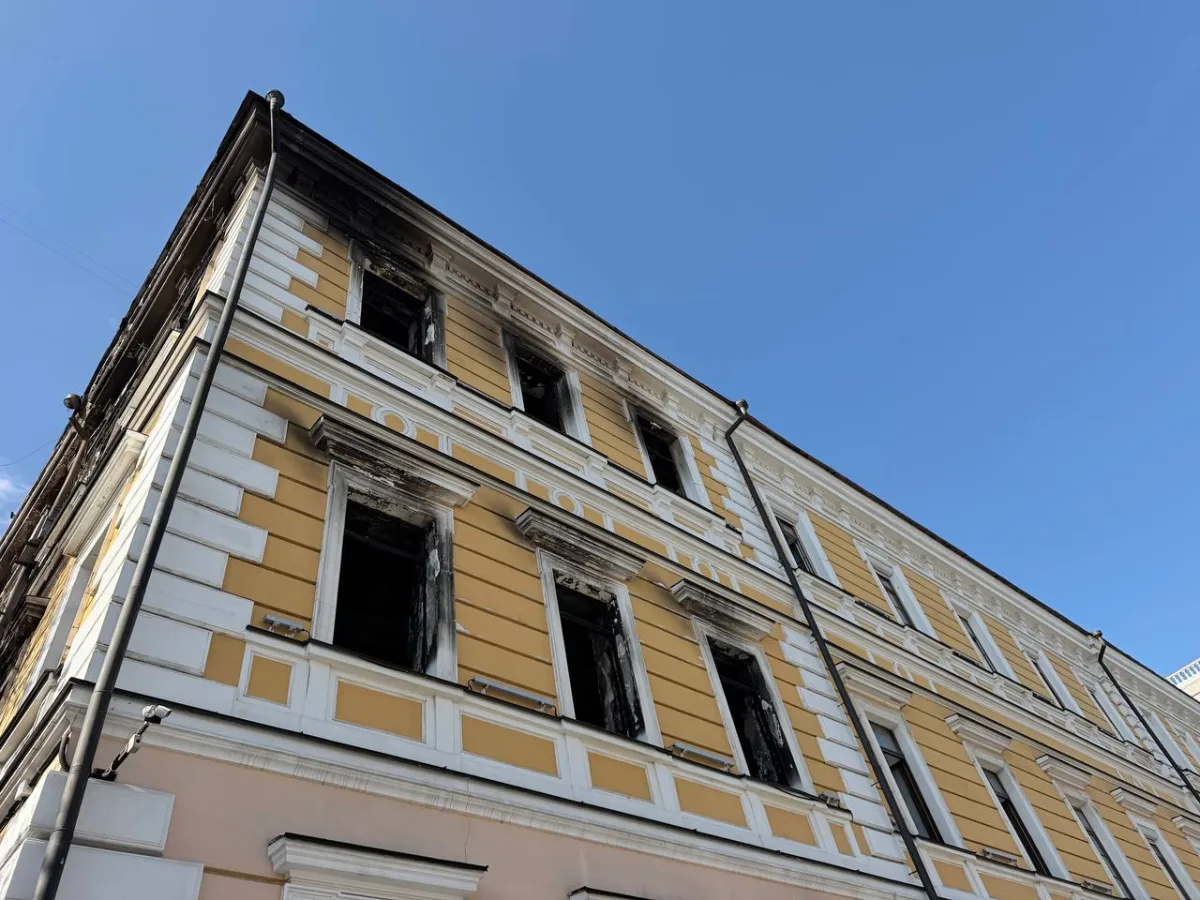
Missile strikes, drone attacks and round-the-clock air raid alerts have become the backdrop to daily operations for e-Governance Academy (eGA) staff working in Ukraine. Even as bombardment intensifies, the team persists in advancing its initiatives, adapting workflows to accommodate the realities of conflict.
Inna Tkachenko, based in Brovary on Kyiv's eastern outskirts beyond the Dnipro River, serves as an expert on the Continued EU Support to Cybersecurity (EU4CyberUA) project. Her town, along with the capital itself, has endured escalating barrages of Russian ordnance in recent weeks, transforming threat into routine.
It's really hard emotionally. The constant air raid alerts and knowing you're never completely safe weigh on you, even when you try not to think about it.
Inna Tkachenko
The psychological strain compounds with physical exhaustion. Nocturnal explosions and alarms shatter sleep patterns, yet staff must maintain focus and productivity the following day. In Kyiv itself, air raid alerts can stretch to 20 hours daily, forcing closures of supermarkets, postal facilities and financial institutions, rendering routine errands unpredictable.
Movement across the city presents another obstacle. Those on the Dnipro's left bank and surrounding settlements face suspended public transit during alerts, halted metro crossings, and damaged infrastructure from strikes on roads and bridges.
With the attacks on roads and bridges, getting around has become harder and harder. You never really know if you'll be able to make it to the office, get to a meeting or simply do what you had planned. And then there's the fear. Every time you cross a bridge, you know a missile or drone could fly overhead at any moment, or there could be an explosion right next to you.
Inna Tkachenko
Adapting project delivery under bombardment
War has fundamentally altered how the eGA operation functions in Ukraine. Safety considerations now dominate the planning of all activities, from routine gatherings to major conferences.
When we organise large-scale events now, the first thing we have to think about is safety. Recently, for example, we organised the CISO Forum as part of the EU4CyberUA project, bringing together around 200 participants. One of the biggest challenges was finding a venue with a shelter large enough to accommodate everyone. In some cases, we have to cancel or scale back planned events and activities because the safety of our colleagues, partners and participants must always come first.
Dmytro Savranchuk, Deputy Team Leader for EU4CyberUA project at eGA
Disruptions are now routine: meetings get cut short by alerts, transport arrangements collapse without warning, shipments arrive damaged, and timelines shift unexpectedly. The team operates in constant readiness for contingency.
Despite these obstacles, the eGA team persists in collaborating with partners and advancing the EU4CyberUA initiative. The work continues because of the people undertaking it—individuals navigating the same dread, fatigue and unpredictability facing millions of Ukrainians.
For Tkachenko, perseverance draws from conviction. She envisions a future where normalcy returns, where the rhythms of ordinary life resume without calculation or fear.
I think what helps me get through this, above all, is faith. Faith in our victory, in the people who defend our country every day, and in the belief that one day all of this will be behind us. I want to live to see the day when we can simply live. When we don't react to every explosion, don't count the hours of air raid alerts, don't have to think about whether it's safe to cross a bridge or just go outside for coffee with friends without discussing 'How was your night?'
Inna Tkachenko