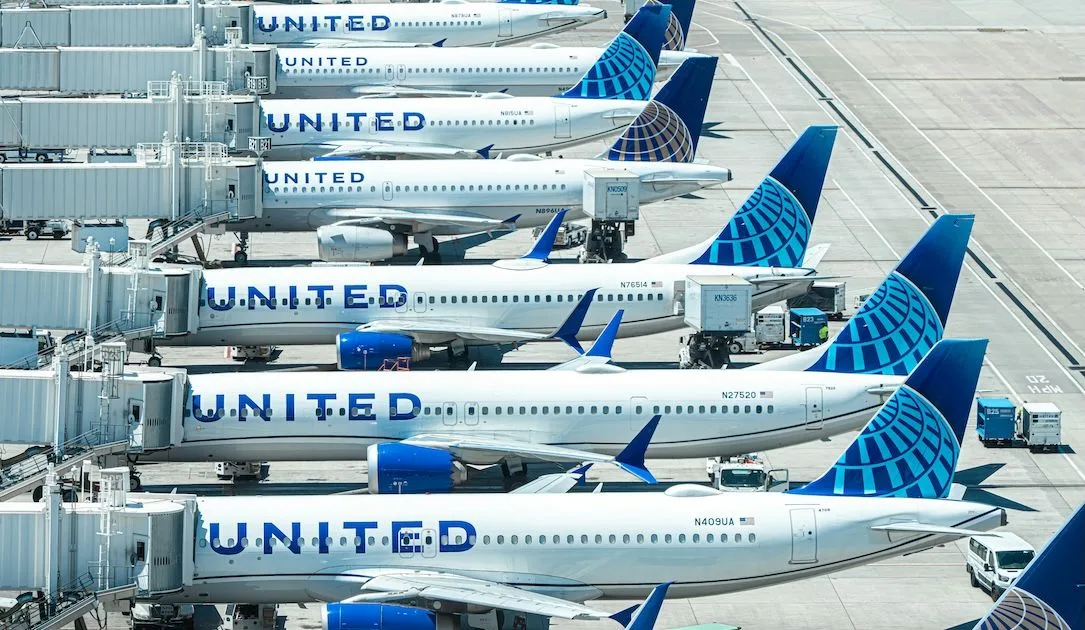
The airline announced Wednesday that it would prohibit AI agents from handling passenger bookings and flight transactions, raising concerns about cybersecurity vulnerabilities, privacy exposure and potential violations of aviation regulations.
The decision follows comparable warnings from major financial institutions. Bank of America recently advised customers against providing login credentials and passwords to AI assistants.
Banks and airlines have increasingly struggled to manage the boundary between human users and automated AI tools. When consumers grant these agents access to their account information, the risk of credential compromise becomes a central concern.
Sharing account credentials with personal, third-party, AI assistants can expose sensitive information, and actions taken by these tools may result in unintended purchases, account changes, or use of MileagePlus miles
United Airlines, in a Wednesday press release
United also flagged compliance issues with federal aviation authorities. The airline noted that Federal Aviation Administration and Department of Transportation regulations mandate that flight check-in include "human acknowledgment that bags do not contain banned substances like explosives."
The carrier is enforcing these restrictions across multiple channels, including its own systems and through third-party booking platforms and travel agencies.
This work includes updates to our booking, ticketing and distribution policies
United Airlines press release
However, industry observers question whether such blocking measures represent a sustainable solution. Raj Ananthanpillai, founder and chief executive of identity verification firm Trua, contends that the approach addresses only the immediate problem.
Blocking agents or forcing more data sharing just delays the inevitable
Raj Ananthanpillai
Ananthanpillai advocates instead for broader adoption of verified identity tokens as a more permanent fix to the underlying security challenge.