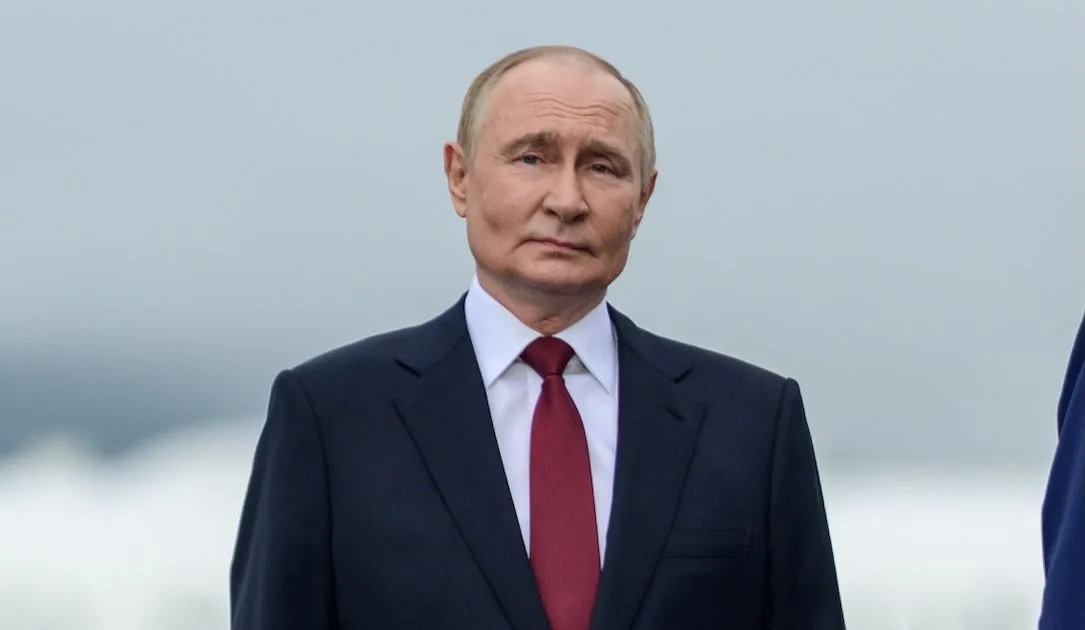
Westminster is not tracking the financial damage inflicted by Russian cyberattacks, infrastructure sabotage and state-sponsored threats, according to a report released by Labour MP Graeme Downie and postdoctoral researcher Dominic Reed on Wednesday. The analysis, titled The Putin Tax, puts the annual cost between £2 billion and £2.5 billion ($2.6 billion to $3.3 billion), though the authors acknowledge this represents a minimum estimate given methodological constraints.
Downie's team conducted parliamentary inquiries across multiple government departments and discovered that no minister possessed formal estimates of the economic impact from Kremlin-linked incidents. Two significant ransomware operations—targeting National Health Service software supplier Advanced and Royal Mail—were carried out by actors believed to operate with tacit Kremlin approval, yet their costs were never formally assessed.
The report highlights the August 2025 cyberattack on Jaguar Land Rover, which cost the British economy an estimated $2.5 billion, though the U.K. government has not officially attributed the incident to Russian-linked actors. It also references a 2024 arson attack on a London warehouse ordered by Russia's Wagner Group.
The headline figure rests partly on an assumption that Russia accounts for 10 percent of the £14.7 billion ($19.3 billion) in annual cybercrime losses affecting British businesses—a percentage lacking rigorous attribution. Other components, including threats to subsea cables, derive from modelling rather than confirmed data.
The costs of flooding are measured or estimated because flood defenses cost money. The costs of fraud are measured because anti-fraud activity costs money. Hostile-state activity increasingly affects critical infrastructure, public services and the wider economy. Yet no equivalent effort has been made to understand its cumulative financial impact.
The Putin Tax report
The transparency gap
The report's core argument mirrors concerns raised by Gen. Sir Jim Hockenhull, former head of Britain's Defence Intelligence, in remarks to Recorded Future News earlier this year. Hockenhull contended that Britain has struggled to build public support for security spending because classified intelligence remains hidden from public view.
We assume the public understands the connection, but if our insight stays highly classified, in the hands of senior officials and politicians, we're effectively asking people to trust us without seeing the evidence.
Gen. Sir Jim Hockenhull
Hockenhull urged sustained coordination between government and civil society to communicate the threat clearly, cautioning that vague warnings about conflict cannot compete with competing budget priorities for schools or healthcare.
Downie's recommendations include launching a national public awareness campaign on hostile-state threats and cyber resilience, publishing annual government assessments of hostile foreign-state economic damage, requiring the National Cyber Security Centre to include cost estimates alongside attribution findings, and tasking the Ministry of Defence with developing a methodology for quantifying physical hostile activity.
The challenge now is not proving that the Putin Tax exists but ensuring that Britain starts measuring it.
Graeme Downie
A government spokesperson responded by stating: "We have been clear that Russia's continued hybrid attacks are egregious and wholly unacceptable. This government has taken tough action — expelling Russian intelligence officers, sanctioning the GRU, clamping down on illicit finance networks and ensuring Russia's criminal proxies are disrupted and brought to justice. The UK is steadfast in its support for Ukraine, and we will continue to stand shoulder to shoulder with our allies in the face of Russian aggression."