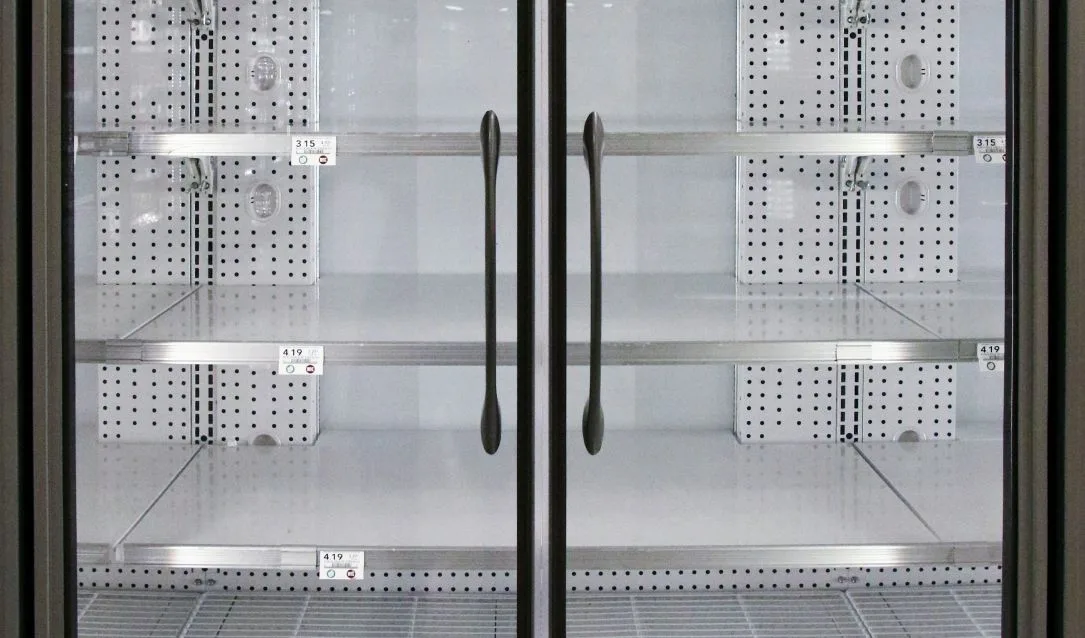
On Monday, French authorities formally attributed a cyberattack targeting refrigeration infrastructure at approximately 700 retail food outlets to Iran's Islamic Revolutionary Guard Corps (IRGC). The assault, which occurred last month, resulted in significant food waste and sparked at least 15 fires across the country, according to a five-page assessment released by France's Cyber Crisis Coordination Centre—an entity coordinating efforts between the national cybersecurity agency ANSSI, military cyber operations, and the country's intelligence directorates DGSE and DGSI.
France's Foreign Minister Jean-Noël Barrot declared at a G7 ministerial gathering in Paris that he could verify IRGC involvement in the refrigeration attacks, characterizing the operation as unparalleled in both its breadth and intensity. The French government has recalled Iran's ambassador and indicated plans to seek European-level sanctions targeting those accountable.
The perpetrators were identified as members of Shahid Kaveh, an IRGC cyber division with a documented history of targeting industrial control systems at American water treatment facilities. Affected businesses in the initial assault encompassed major retail chains alongside smaller enterprises such as butcher shops, meat processing facilities and agricultural cooperatives.
ANSSI investigators also detected the same Iranian actors simultaneously conducting operations against Schneider Electric systems at multiple small-scale hydroelectric plants, though disruptions to those installations remained limited in scope. The cybersecurity agency's findings did not address a subsequent wave of refrigeration system compromises in early November that affected enterprises across no fewer than 11 European nations, encompassing British meat suppliers and three locations operated by France's national blood donation service.
Identifying the attackers
French investigators assembled multiple forms of evidence connecting the incidents to Shahid Kaveh, encompassing Farsi-language artifacts, specialized tools and digital infrastructure employed during preliminary reconnaissance of other industrial systems. The report's supplementary materials identify and display photographs of Hamid Reza Lashgarian, director of the IRGC Electronic and Cyber Center, alongside Mahdi Lashgarian and Reza Salarvand, both identified as commanders within Shahid Kaveh.
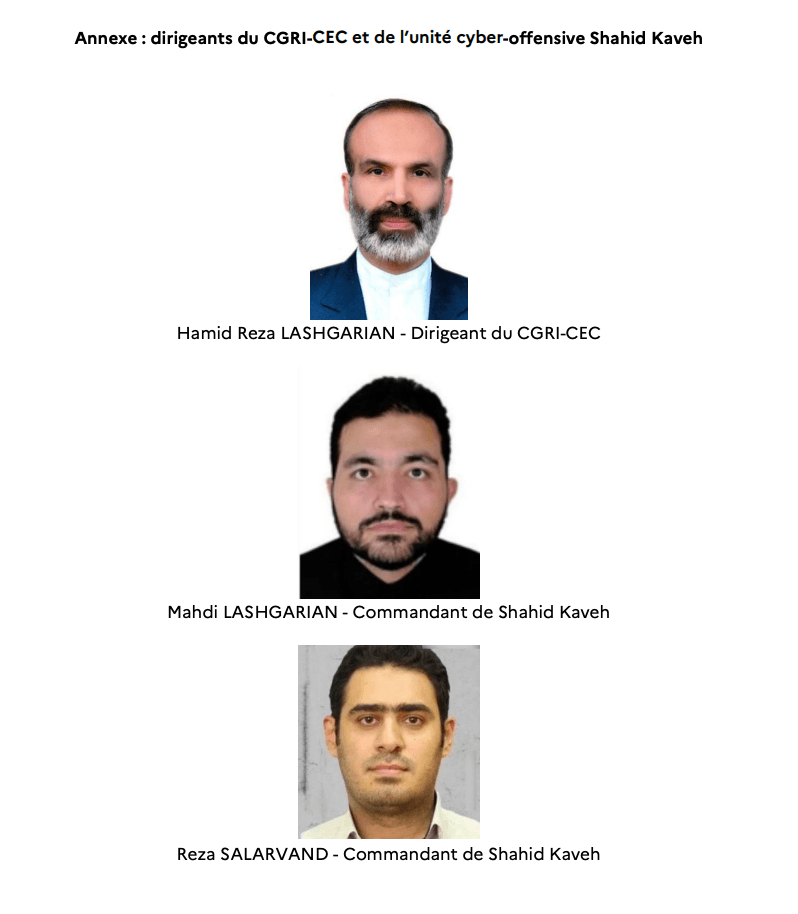
Earlier in 2024, the U.S. Defense Department, FBI, National Security Agency and allied federal entities designated Shahid Kaveh as an alternate designation for the CyberAv3ngers organization, linking it to operations against operational technology infrastructure that disrupted multiple sectors of American critical infrastructure. The U.S. State Department had previously announced bounties reaching $10 million for intelligence regarding six IRGC operatives associated with the group's 2023 targeting of American water systems, including both Lashgarians. Salarvand's public identification represents a new disclosure. In September, the State Department announced an additional reward for information on Amir Yaryab, whom officials accused of directing CyberAv3ngers activities.
The Paris Prosecutor's Office initiated judicial proceedings on Monday against the head of Shahid Kaveh, two subordinate commanders and additional unidentified suspects. Prosecutor Laure Beccuau confirmed that international arrest warrants have been sought for the individuals under investigation.
Broader Iranian cyber operations
The ANSSI report separately attributed multiple earlier operations targeting French entities to Shahid Shoostari, an alternative designation for Emennet Pasargad, another IRGC cyber division. These incidents encompassed the defacement of the satirical publication Charlie Hebdo's online presence.
The unit additionally sought to compromise digital advertising infrastructure during the 2024 Paris Olympics, infiltrating a French firm responsible for video display systems and attempting to deploy images protesting Israeli athletes' participation in the competition. The breach was identified before any unauthorized content appeared. Investigators connected related digital artifacts to a Persian-language Instagram profile, two X accounts and an Iranian news outlet, while also identifying connections originating from two Iranian internet service provider addresses.
French authorities connected Shahid Shoostari to an earlier 2020 scheme targeting Charlie Hebdo following the newspaper's decision to republish illustrations of the Prophet Muhammad. ANSSI indicated that both Shahid Shoostari and Shahid Kaveh function as components of the IRGC's Electronic and Cyber Center, characterizing the documented incidents as elements of a sustained destabilization effort directed at French interests extending back minimally six years.
Iran has consistently rejected allegations of conducting cyber operations with malicious intent. As of Monday evening, the Iranian government had not issued any public statement addressing France's accusations.