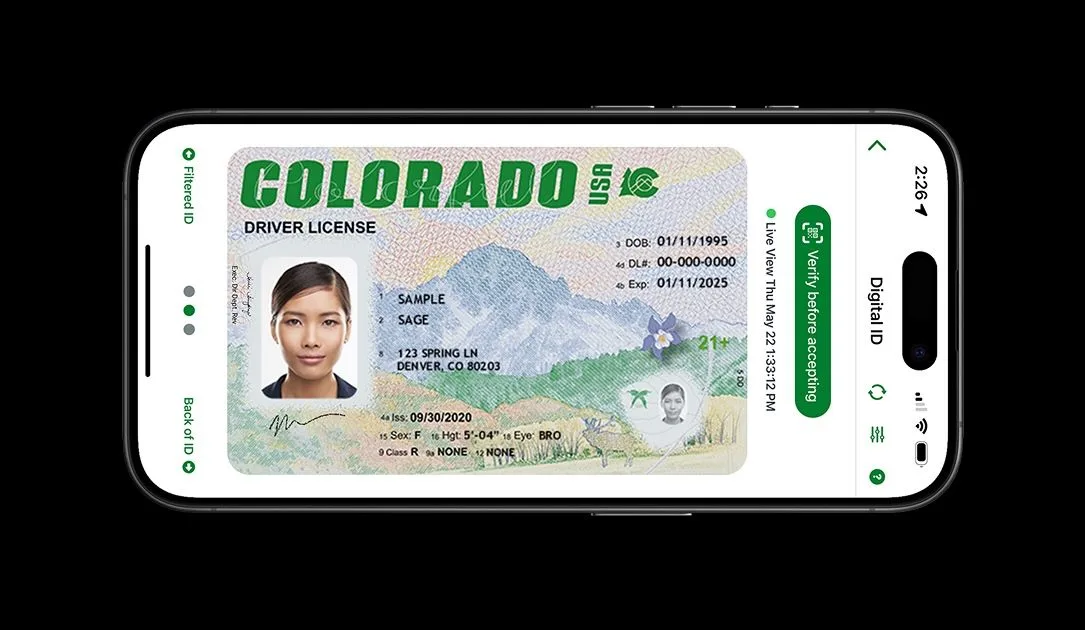
Colorado's critical digital services platform fell victim to a cyberattack discovered on the evening of November 18, leaving thousands of residents unable to access essential state functions. The Governor's Office of Information Technology (OIT) identified the breach targeting the myColorado app, which serves as the primary tool for residents to obtain digital identification, store documents and interact with government agencies.
Following discovery of the intrusion, OIT immediately took the application offline to contain the breach and launch a formal investigation. The platform remained unavailable as of Tuesday afternoon. State officials confirmed that the app maintains 2.1 million registered users, and the attack resulted in the theft of data belonging to approximately 150,000 individuals. Officials have not disclosed specifics regarding which personal information the attackers obtained.
We know how much Coloradans rely on these services, and we understand how this is frustrating and inconvenient. Protecting our users' data is our first priority, and we will bring systems back online as quickly as we can once security is restored.
Sarah Tuneberg, executive director of OIT
Colorado advised residents planning to travel during the Thanksgiving holiday to carry physical identification documents. The state confirmed that residents can still access government services through individual agency websites while the myColorado platform remains offline.
This incident marks another significant cybersecurity challenge for Colorado, which has previously experienced major attacks on its Department of Higher Education and ransomware incidents affecting multiple smaller municipalities.
Broader wave of attacks across U.S. jurisdictions
Colorado's breach is part of a wider pattern of cyberattacks targeting government agencies across the United States. Multiple state and local governments are currently managing active cyber incidents, with affected jurisdictions spanning New York, Mississippi and California. West Virginia's legislature went offline on Friday due to a separate cyberattack.
The Queens Public Library in New York City has nearly completed recovery from a ransomware attack that occurred two weeks prior, which forced the closure of all 66 branches across the borough. The library system, which serves more than 2 million residents, operated without digital capabilities throughout the recovery period. The Gentlemen ransomware gang claimed responsibility for the attack on Sunday.
The Gentlemen group has emerged as a particularly prolific threat actor, claiming 398 attacks during the most recent quarter according to analysis by Halcyon researchers. This volume significantly exceeds that of competing ransomware organizations.
In Mississippi, Lauderdale County's sheriff's office fell victim to a cyberattack on Monday that forced the agency to take systems offline. The county, home to more than 70,000 residents, lost access to critical services including the public inmate roster.