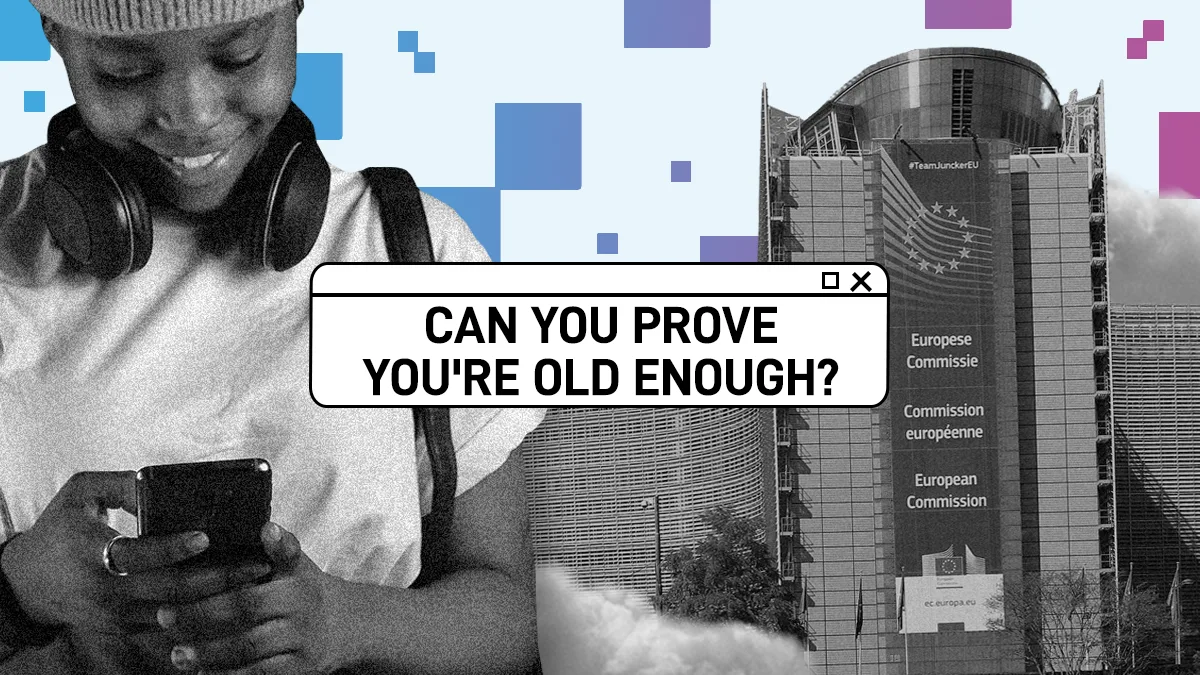
The European Commission unveiled its KIDS Act proposal, a regulatory framework intended to strengthen protections for minors using online platforms. The move was accompanied by a public consultation window, inviting stakeholders to weigh in on the draft rules. Digital rights groups are seizing the opportunity to voice objections to several provisions they view as problematic.
The consultation period runs until 3 December at midnight. Civil society organisations, including EDRi, are encouraging submissions that address key concerns embedded in the proposal. While finalising its own formal position, EDRi has outlined several areas where the text requires rethinking.
Core Objections to the KIDS Act
- Mandatory age verification systems treat all users as potential minors until they demonstrate otherwise, placing the burden of proof on individuals. Many people lack the technical means, identity documents, digital skills or confidence to comply, effectively barring them from online services without justification.
- Social media restrictions should function as a final measure, not a default response. If platforms do impose age-based bans, they should only do so after exhausting other risk mitigation strategies. Any restrictions should target specific service features rather than blocking entire platforms.
- Safeguards designed for young people ought to extend to adults as well. No user—whether 15, 18 or 88—should encounter services engineered to drive "excessive or compulsive use" under article 9, recommendation algorithms that exploit individual vulnerabilities as outlined in article 10(2), or tracking mechanisms that infer engagement patterns to shape user experience.
- The proposal conflicts with United Nations General Comment No. 25 (2021) regarding children's digital rights. Young people depend on online spaces to organise, communicate and document events, particularly during social movements and protests where they record instances of police conduct.
- Parental oversight powers exceed reasonable bounds. Article 26's proof-of-authority mechanism grants guardians excessive control, including pre-approval of contacts under article 6(2) and surveillance of viewed content per article 7(4)(d).