Microsoft has pledged to deploy more than $10 billion toward cloud and artificial intelligence infrastructure across the Middle East by 2030. The initiative will concentrate initially on Kuwait, Qatar, Saudi Arabia and the United Arab Emirates, spanning infrastructure development, digital resilience and workforce training.
The company, which has maintained a presence in the Middle East since 1991, frames the commitment as evidence of sustained confidence in the region as governments and enterprises accelerate their adoption of AI technologies.
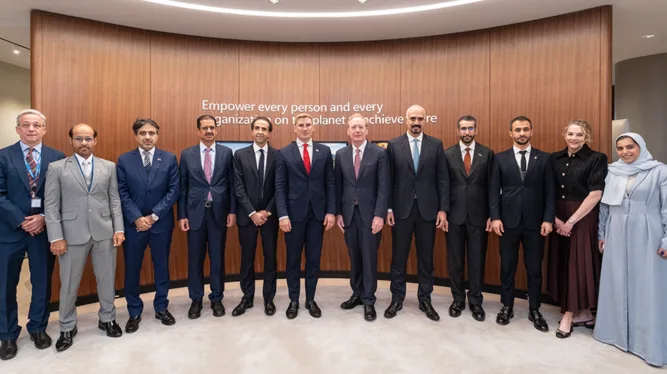
Brad Smith, Microsoft Vice Chair and President, stated: "Microsoft will continue to invest in cloud and AI infrastructure across the region, expanding capacity, launching new capabilities, and delivering long-term infrastructure commitments." The company intends to deepen collaboration with regional governments and national AI bodies, including HUMAIN, G42, QAI and the Government of Kuwait.
These partnerships are designed to enable AI deployment in government services and foster the creation of Arabic and multilingual AI applications alongside cloud services tailored to regional needs. Beyond computing infrastructure, Microsoft plans to allocate more than $400 million toward subsea and terrestrial connectivity improvements by 2030.
Environmental and sustainability focus
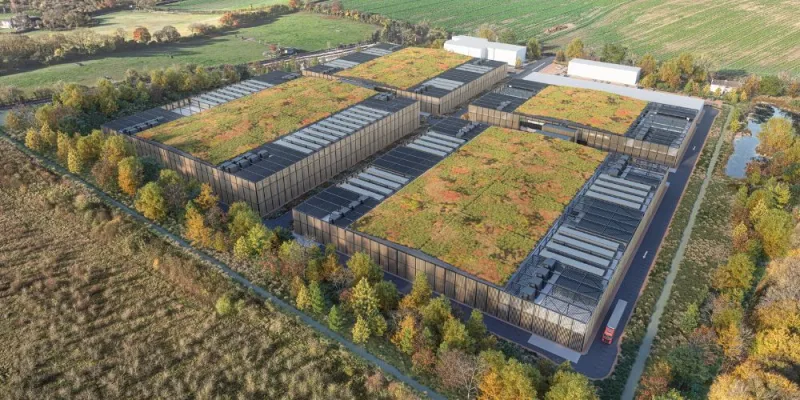
Smith outlined Microsoft's commitment to responsible expansion, stating: "As we expand our cloud and AI infrastructure in Kuwait, Qatar, Saudi Arabia, and the UAE, we will do so with a focus on responsible growth. Guided by Microsoft's global goals to address carbon, water, waste, and ecosystems, we will work with our lessor partners to ensure that the cloud infrastructure supporting our services advances Microsoft's water-positive ambitions, including by prioritising zero-water cooling technologies where feasible."
Water management represents a particular priority for the region. Smith added: "Water resilience is particularly important across the Middle East. Building on Microsoft's global experience advancing water stewardship through water reuse, replenishment, and innovative water management solutions, we will work with governments and local stakeholders to identify opportunities that advance responsible water stewardship across the region."
The company also emphasised clean energy expansion. "As AI accelerates economic opportunity across the Middle East, expanding access to clean energy will be essential to ensuring this growth is sustainable. We will also collaborate with regulators, utilities, and our lessor partners to help create the market conditions needed to expand carbon-free electricity procurement and stimulate new clean energy investment," Smith said.
He concluded: "By combining infrastructure investment with local partnerships and innovation, we aim to support the region's energy and water priorities while helping build the sustainable foundations needed for long-term AI-led economic growth."
Skills and workforce development
Microsoft intends to expand AI training and workforce development initiatives, building on an existing pledge to provide skills training to more than 4.2 million people by 2030. The programmes will encompass training for public-sector leaders, students and workers, with dedicated initiatives to expand opportunities for women.
The company is also partnering with schools, universities and educational institutions to strengthen AI literacy and equip teachers and students with responsible technology use practices.